Severe Weather Logistics: How Experts Plan for the Worst
Georgia Tech experts share advice for handling extreme weather and insight into the impact it may have on companies and communities.
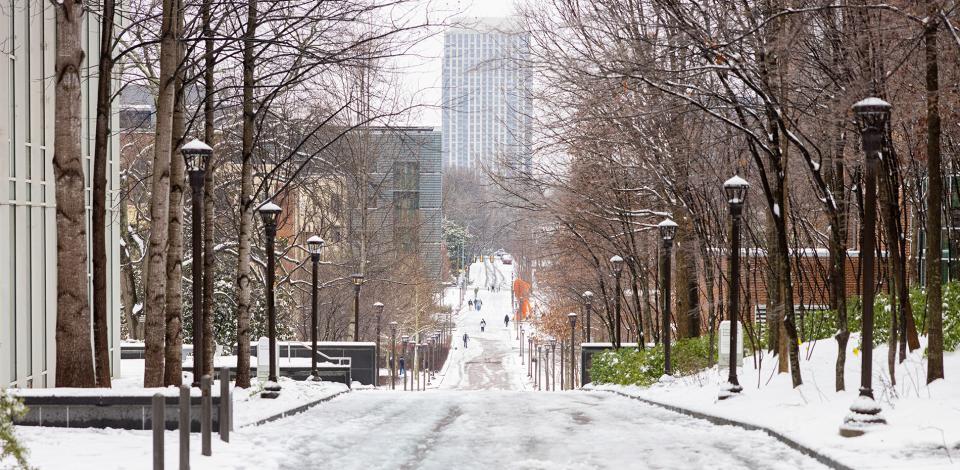
As Georgia and other southern states brace for what some are calling a "once-in-a-generation" winter storm, residents and companies located in the impacted areas are facing weather scenarios that were once considered hypothetical. With a few days left to prepare, Georgia Tech experts are sharing insight into how this storm could impact local industries and what members of the public can do to keep themselves and others safe.
Chris Gaffney, managing director of the Supply Chain and Logistics Institute, recommends that companies and individuals prepare for severe weather by stocking up on supplies and developing plans early.
“When severe weather is forecasted, supply chain professionals often feel the impact well before the storm arrives. Demand for essential goods like food, beverages, fuel, and household supplies typically spikes, often within a one-week window and most intensely in the 72 hours leading up to the event," he says.
As supply chain and safety teams are put under increased pressure with adjusted production schedules, rerouted deliveries, and the possibility of "all-hands-on-deck" operations, Gaffney suggests that frontline and utility workers may face overtime and shift changes to meet the needs of the public. He also notes that this increased pressure often happens "just as concerns grow about their own safety and family readiness."
Hilarie Warren, director of the Georgia Tech OSHA Training Institute Education Center (OTIEC), emphasizes the importance of hazard reduction.
"Urgent situations — coupled with non-routine hazards such as downed trees and electrical lines, and ice that coats and encases surfaces — can impact decision-making abilities," she says. "In a weather event like this, only those who are properly-trained frontline and utility workers should be moving and handling these hazards."
In addition to avoiding non-routine dangers, Warren also highlights the risk of carbon monoxide poisoning as individuals try to maintain warmth without power. "When you run generators or fuel-burning equipment, make sure it isn't run in an enclosed space or an area with poor air circulation, as it can create a deadly atmosphere quickly," she explains.
Staying aware of your surroundings and reducing your personal risk can have a positive impact on the essential employees working during and after the storm. "Unless you MUST be out there, stay home and off the roads!" Warren says. "Keep those frontline and essential workers safer by limiting the amount of traffic and accidents they need to navigate on their way to restoring services."
Once the worst has passed, the pressure on supply chain teams "quickly shifts to recovery — restoring capacity, replenishing inventory, and catching up on delayed orders," Gaffney says. "That recovery phase often strains supply chains just as much as the buildup, highlighting how critical planning, flexibility, and workforce support are during extreme weather events.”
From linemen to your neighbor who shares their extra firewood, in extreme weather, it's people who keep the systems running by preparing themselves and following safety practices. By taking thoughtful steps before, during, and after bad weather, companies and communities can do their part to keep everyone safe. For additional resources that cover physical hazards and ways to protect against cold stress, visit: https://www.osha.gov/winter-weather/hazards.

Cybersecurity Engineer: Career Overview