Beware Friday the 13th: How Experts Avoid Unlucky Outcomes
Ladders, horseshoes, and spilled salt... Oh my! 2026 has three Friday the 13ths, but is bad luck to blame for workplace accidents, or is it human error?
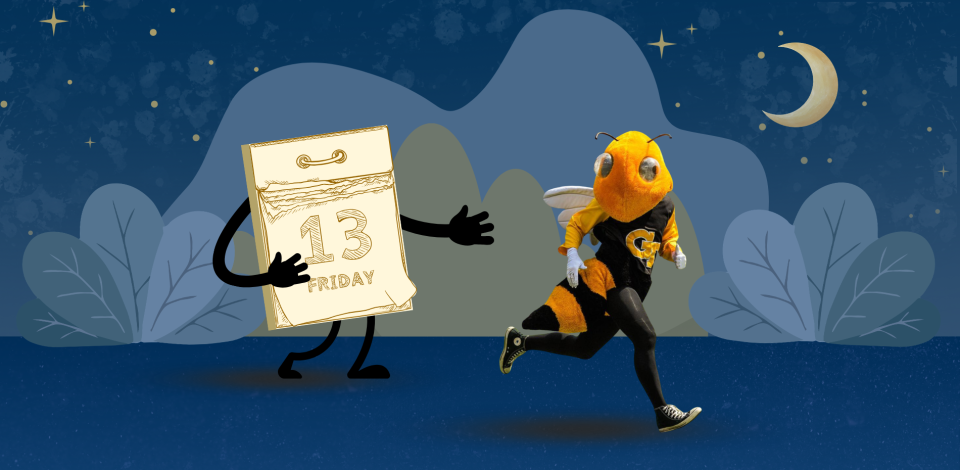
Brace yourself! 2026 has not one, but three Friday the 13ths. Even if you don't consider yourself superstitious, this year could be one that puts those beliefs to the test. Workers in all fields could find themselves attributing "bad luck" situations on the job to the increased number of unlucky days this year, but are bad omens really in the air, or are they just a scapegoat for human error?
From construction to cybersecurity and every career in between, human error and a lack of attention can lead to big mistakes that are otherwise easily avoidable. The spooky fact is that almost every industry has its own signs of bad luck. Being aware of your industry's version of "spilled salt" and knowing which shoulder to toss it over in the case of an accident can help you and your organization avoid unlucky outcomes with lasting impacts.
The Inadequate Planning Jinx
When working on a construction site, it's important to keep your eyes peeled for rogue ladders just waiting to be walked under. Failing to avoid these seemingly bad omens could result in you and your crew experiencing bad luck for years to come. In addition to the pervasive ladder issue, professionals from laymen to leadership in construction can easily fall victim to the "inadequate planning" jinx.
"It spills over into everything on a construction site in terms of safety, quality, and perhaps finishing the job on time and within budget," says Thomas Dean, occupational safety and health instructor and safety consultant with Georgia Tech's Safety, Health, Environmental Services (SHES). "For instance, a team starting a job without adequate planning may find themselves short of critical resources to safely complete the project."
Safety precautions like trench boxes and shoring could be overlooked, leaving your company open to OSHA penalties, workers' comp payments due to injury or fatality, project delays, and higher insurance premiums.
Failing to plan properly in the initial phases of a project can also result in companies taking on work that ends up being overwhelming for the crew. From step one, estimators should be familiar with the safety requirements needed for the job before submitting a bid. A job hazard analysis should be performed to determine what resources are needed to safely complete the job, and construction management personnel should assess and ensure their team has all the necessary resources before deployment to the construction site.
Lookout for "Ladybugs"
As the seasons change, different unlucky threats loom. In spring, ladybugs zip about, waiting to bring good luck to those they land on. A group of ladybugs is called a loveliness, but there is nothing lovely about overlooking small, yet important, details. One small misstep — like accidentally crushing a ladybug underfoot — can bring about a sea of misfortune.
Much like paying attention to where ladybugs land, being aware of details when working in the oil and gas sector can bring good outcomes, but in this volatile industry, things change from season to season. The moment you move too fast and overlook the "ladybug" in your path, bad luck strikes.
"Even when projects look similar on the surface, always do site verification," says Iuliia Chepurko, project management instructor. "Check equipment positioning, supply chain constraints for specialized tools, pressure conditions, and all of the other details that are figuratively and literally hidden beneath the surface."
To keep projects from taking a turn for the worse, it's important to verify conditions and ensure every person associated with the work understands the plan and the contingency plan.
"In oil and gas, getting it right is a must every single time because mistakes can haunt the environment for generations," Chepurko says. Missteps can result in expensive delays, environmental impacts, and/or safety incidents that put you and your organization at risk.
"In my experience," she adds, "when bad luck happens, it is almost always the result of moving too fast and overlooking details that could have been avoided with a better process."
Bad Omens in the Digital Workplace
Even in the digital world, jinxs and pitfalls are plentiful. While professional missteps in the digital sectors don't often result in physical consequences, that doesn't make them any less costly.
If hanging a horseshoe upside down lets out all the good luck, then IT and cybersecurity professionals failing to teach their coworkers about the signs and dangers of phishing could be equated to flipping the entire stable upside down. The moment a link from a bad actor is opened, your organization could be pouring out all its secure data.
In the data science and analytics fields, opening a data set that's been unverified can bring bad luck pouring down on you like opening an umbrella indoors. Numbers might not lie, but if they've been incorrectly collected, organized, or attributed, the story you tell based on that data could.
They say not to wish someone "good luck" while in a theatre. Instead, say "break a leg." If the reverse psychology actually works, we'll need to ask Lady Macbeth herself, but in the manufacturing industry, wishing for good luck while undermining procedure and quality control — the kings of the industry — could leave you with phantom blood on your hands.
Heads-Down Superstition
While a penny saved is a penny earned, a penny found heads down will never even be picked up. When thinking about your career success, regardless of the industry, the heads-down jinx is the easiest for any professional to fall for.
“One of the most costly career mistakes you can make is staying invisible and hoping someone else will tell your story," says Megan Elrath, career services liaison for Georgia Tech FlexStack.
"Being invisible at work is the reason so many talented professionals get overlooked for opportunities, struggle to leverage their strengths, and miss chances to build meaningful relationships," she continues. If it's bad luck to pick up a heads-down penny, then what about a heads-down employee? Luckily, the heads-down superstition does come with an easy remedy that doesn't require bragging.
Clearly communicating about your work, progress, and the impact you’re making allows others a glimpse into what makes you an invaluable asset. In addition to building yourself up, aligning yourself with a personal board of directors can act as the hand that flips a bad luck penny from heads down to heads up and ensures it's ready for the next lucky person that comes along. Elrath reminds learners that making yourself visible on the job or while looking for a new one means "creating alignment between your skills, your goals, and the opportunities around you."
Mistakes on the job are rarely like a black cat crossing your path, something you don't have control over. Instead, they are the result of human error, moving too fast, and overlooking details. When Friday the 13th rolls around this year — for the second and third time — remember that avoiding workplace misfortune doesn’t require knocking on wood or carrying a lucky charm. It requires careful planning, attention to detail, and the discipline to slow down when it matters most. In any industry, the real way to keep bad luck at bay isn’t superstition. It’s staying prepared, staying aware, and refusing to leave success up to chance.

Cybersecurity Engineer: Career Overview