SysML 631 - Practical Individual Project (PIP) and More Intermediate Modeling Patterns
- Overview
- Course Content
- Requirements & Materials
Session Details
Special Discounts: Georgia Tech Research Institute (GTRI) employees are eligible to receive a discount. If you are a GTRI employee, please go to the Organizational Development website and look for the coupon code under GT Professional Development. Review coupon instructions for more information.
Who Should Attend
This course is designed for engineers, developers, architects, scientists, and other problem-solvers who want to take their SysML know-how to the next level. Anyone who is actively applying SysML will benefit from this course.

What You Will Learn
- Patterns, anti-patterns, and guidelines for well-formed models (with an inter-element emphasis).
- Techniques for starter models, model templates, model-based deliverables, and model management.
- Model architecture patterns for design/analysis/simulation interoperability.
- Know-how regarding introductory concepts for profiles, metamodels, and scripting.
- How to create an integrated, comprehensive, executable SysML model based on good inter-element patterns.
- Good practices for model-based datasheets, model-based user guides, and related black-box concepts for user-oriented models.

How You Will Benefit
- Gain experience applying SysML v1.x for MBSE/MBX in a comprehensive individual project setting.
- Refresh, reinforce, and extend the concepts covered in SysML 101/201 and SysML 621.
- Expand your SysML toolbox with additional modeling patterns and recommended practices.
- Discover additional SysML language features and understand how best to apply them.
- Implement interconnection and traceability constructs among SysML elements through multiple iterations across multiple system layers.
-

Grow Your Professional Network
-

Taught by Experts in the Field
The course schedule was well-structured with a mix of lectures, class discussions, and hands-on exercises led by knowledgeable and engaging instructors.
Related Programs

Fault and Disturbance Analysis Conference
This annual conference provides a forum for you to learn about the state of the art in power-systems engineering. You will experience the presentation of…

Fundamentals Concepts for Energy Management
This course is designed to assist Energy Auditors with the energy and energy systems basics, as well as the mathematical operations and calculations,…

Introduction to Engineering Mechanics
Engineers are the ultimate problem solvers. This course introduces the principles required to solve engineering mechanics problems. It addresses the…

Master of Science in Aerospace Engineering, Online
Reach a level of expertise in one or more of the specialties important to advanced aerospace system design, development, manufacture, maintenance, and/or…

Master of Science in Electrical and Computer Engineering, Online
Get the technical know-how to compete in the high tech industry of computer development. Our master’s degree course work is no different from the project…

Master of Science in Industrial Engineering, Online
Dig deeper into the inherent complexity of our problem domains and the sophistication and variety of our problem-solving methodologies. Learn how to…

Master of Science in Mechanical Engineering, Online
Dig deeper into the inherent complexity of our problem domains and the sophistication and variety of Learn methods of advanced analysis appropriate for…
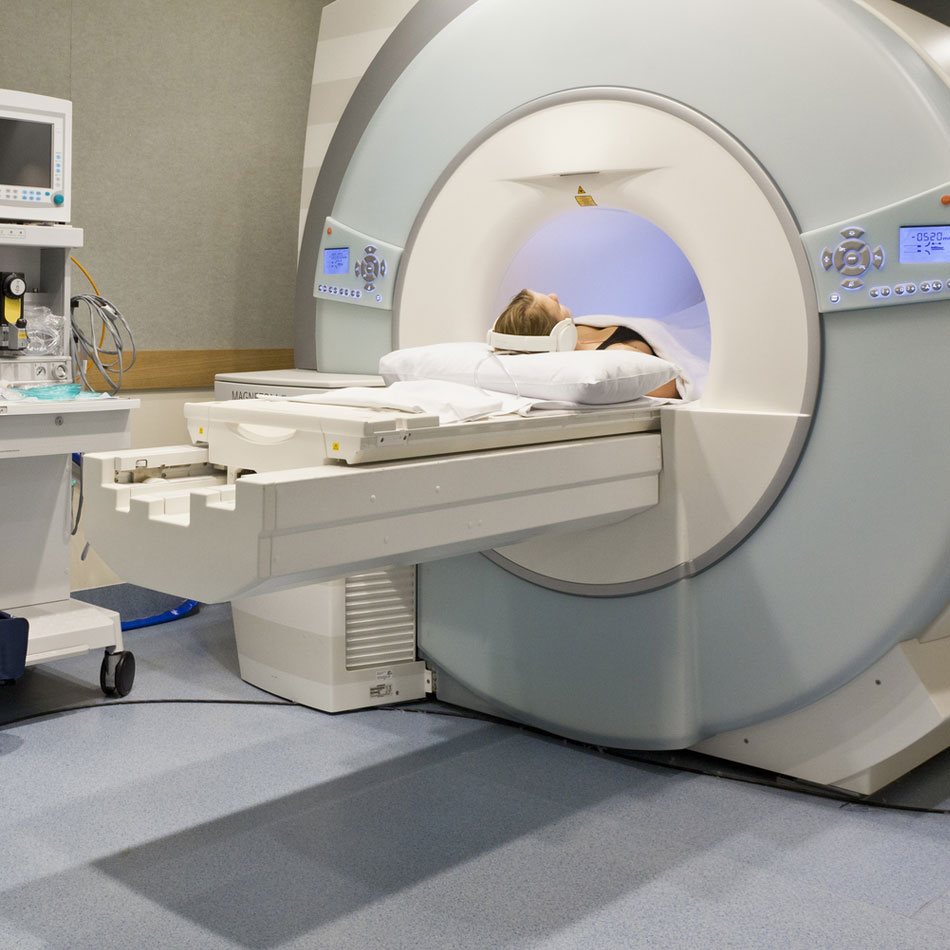
Master of Science in Medical Physics, Online
Medical physics involves the application of physical principles to medicine, particularly in the diagnosis and treatment of human diseases. Learn more »

Master of Science in Operations Research, Online
Learn advanced methods to arrive at optimal or good decisions in complex problems and elicit a best possible solution to a problem mathematically to…
Pre-Course for ENER 3100P
This online pre-course for ENER 3100P: ISO 50001 Energy Lead Auditor Training must be completed prior to the classroom sessions.
Pre-Course for ENER 3101P: Certified Practitioner in Energy Management Systems (online)
This online pre-course for ENER 3101P - Certified Practitioner in Energy Management Systems must be completed prior to the classroom sessions.

Pre-Course for ENER 3107P: Case Study
This online pre-course for ENER 3107P - Superior Energy Performance (SEP) Performance Verifier Training must be completed prior to the classroom sessions.

Professional Master's in Applied Systems Engineering (Online)
Elevate your career with Georgia Tech's Professional Master's in Applied Systems Engineering (Hybrid). You'll learn from top engineers and researchers in…
Protective Relaying Conference
This annual conference provides a forum for you to learn about operational practices and the application of new techniques and devices in protective…

Software-Defined Radio Development with GNU Radio: Theory and Application
Gain hands-on communications systems knowledge! The Software-Defined Radio Development with GNU Radio course will comprehensively cover developing…